The very first time you watch a thousand-pound animal volunteer to comply with a person without a rope, it can seem like magic. In truth, it is communication at its most basic. Steeds check out intention, energy, and micro-movements with fierce precision. They do not care about our resumes or our descriptions. They care about how we turn up in our bodies, whether our signals are clean, and whether we are risk-free to be near. That is exactly why equine-facilitated mentoring helps trust settle, in families, groups, and within the self.
I have functioned around equines enough time to understand they have a method of shuffling concerns. They ask us to be clear without being rough, soft without being obscure. The field ends up being a mirror with hooves, and the representations are sometimes humbling. Fortunately is, it is also deeply practical. We can exercise brand-new ways of connecting and see the result instantaneously. No allegories called for, though they frequently increase on their own.
Why equines change the conversation
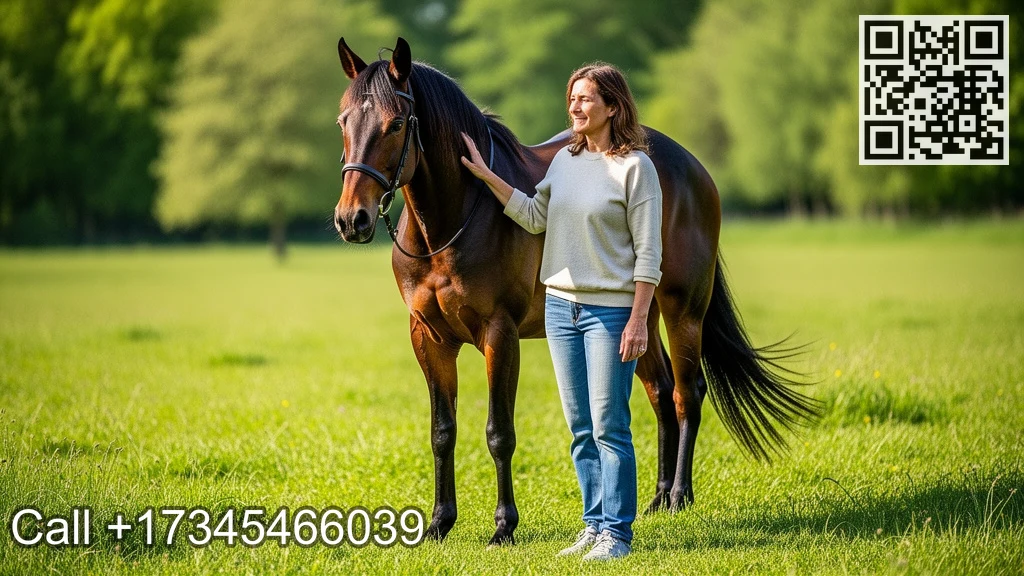
Horses are victim animals with a carefully tuned feeling of safety. In a field, survival relies on accurate reads of that is leading, who is shed, and what the setting demands. That natural level of sensitivity equates into sincere responses around people. If we are irregular or spread, a horse will drift away or transform his attention to something else. If we steady our breath, established a clear objective, and take one tidy action, many steeds will certainly tip an ear, after that a head, and take into consideration connecting.
I once dealt with a project supervisor named Eli who had a practice of asking forgiveness as he provided direction. He would issue a request, then soften it with an anxious joke. In the arena, that pattern appeared as a stutter action towards a gelding named Jasper, complied with by a pulling away glance. Jasper blinked and strolled to the rail. We attempted an experiment: Eli set a limit with his feet grown, shoulders loosened up, and one slow breathe out. He took a single progression, after that stopped to let Jasper assume. The gelding tipped off the rail and came in beside him. Eli's colleagues were silent for a long period of time afterwards. When the body levels, you do not need a lot of words.
Horses provide consequences without blame. They allow you know when your yes is sloppy or your no is too loud. That is the heart of equine-facilitated training and why it is various from talk-only work. It is additionally the foundation of equine-facilitated health and therapeutic horsemanship programs that concentrate on finding out goals and ability building around horses instead of scientific diagnosis or treatment.
What a session actually looks like
People picture that equine-assisted training suggests trotting across areas. A lot of the genuine work occurs on the ground. A regular session runs 60 to 90 mins. We start with a short sign in, after that enter a round pen or small sector regarding 60 feet across. The equine is typically at liberty, indicating no halter or lead line. The job might be straightforward: invite connection, lead with clarity, or design a small barrier course and walk through it together.
There is a rhythm to these sessions. Set an objective. Examine it. Enjoy what the equine informs you. Adjust. Examination again. Instructors translate what they see into concentrated questions. What occurred in your body when the steed turned away. What altered when you took a look at his shoulder as opposed to his face. What story did you comprise about that modification. It is practical in the minute. The discovering then bridges back to life outside the field, where boundaries and quality issue equally as much.
We operate in sets or small groups when it offers the objective. In group structure with horses, a team could co-create a pattern with cones and poles, then move a steed via it utilizing only nonverbal hints. The dynamic is apparent. If two people yank in different instructions, the horse chooses neither. Cooperation becomes less about words and even more concerning congruence.
Coaching, health, and professional therapy, and why the lines matter
The language about equine work can be confusing. Right here is the easiest means to hold it. Equine-assisted tasks cover general engagements such as pet grooming, foundation, and placed experiences for recreation or learning. Therapeutic horsemanship programs educate riding and horsemanship skills adapted to various abilities. Equine-assisted services is a wide phrase that can include mentoring, health, education, and therapy. When qualified psychological wellness professionals deliver therapy that addresses a scientific medical diagnosis, that is therapy. When certified coaches concentrate on leadership, interaction, or personal growth, that is coaching.
Why the difference issues is values and security. An instructor can collaborate with tension, goals, management patterns, and relational abilities. A specialist addresses injury, clinical anxiety, or clinical depression within a therapy strategy. Lots of barns work together, so a customer may see a therapist for trauma therapy on Tuesdays and enter equine-facilitated coaching on Fridays to practice limit setup at the workplace. Good programs call their lane and keep to it. If you ever before feel a supplier is outside their extent, ask just how they manage referrals.
The somatic piece, or what your nerves gains from a horse
If you watch a kicked back steed https://pastelink.net/6bebb7nd in a field, you will certainly see a rhythm. Grazing, scanning, little ruptureds of motion, after that remainder. Their standard heart price relaxes 28 to 44 beats per minute, slower than ours. Many individuals, specifically those dealing with constant stress, have no idea what relaxed-but-alert seems like anymore. Horses design that state and welcome us right into it.
Somatic healing with steeds is not mystical. It is sensory. When you match an equine's breathing for a few mins, your own system commonly changes down. When you soften your stare and expand your field of vision to match the horse's means of seeing, it becomes much easier to discover very early indications of tension. When you put a hand on the withers of a calm mare and let your shoulder blades drop, you uncover just how much you were holding. The field gives permission to practice guideline in genuine time.
A client named Naya pertained to me for anxiety assistance with steeds. Public talking set off a waterfall of shallow breathing, tingling hands, and competing thoughts. We practiced what she called the three supports. First, orienting by calling five blue or environment-friendly objects around the sector to widen understanding. Second, synchronizing breath with a gelding's slow-moving flank activities for 3 cycles. Third, taking 2 calculated steps, then pausing. In her next team meeting, she switched the equine for a water bottle on the conference table and made it her anchor. Exact same body, exact same actions, various context. Her hands quit buzzing.
Support for attention, sensory, and social learning
I do not deal with clinical problems in coaching, but I do collaborate with family members and clinicians to support attention, sensory combination, and social discovering goals through experiential understanding with equines. The trick is purpose and pace.
For ADHD equine finding out support, activity and novelty aid. We established short, plainly specified jobs that need sequencing. For example, halter the equine, result in cone three, pause for 3 breaths, back three steps, after that return to the start. The steed's prompt feedback maintains passion high, and successes stack quickly when hints are clean. Procedure right here run a little shorter, often 45 to 60 mins, with prepared transitions to maintain the system from flooding.
For an autism equine finding out program, predictability and sensory selection are crucial. One pupil, an 11 years of age who enjoyed patterns, prospered when we co-created a brushing regular with aesthetic cards and tactile breaks. Begin with curry comb on the left shoulder, button at the withers, after that comb the mane. The steed's warmth and regular responses supported regulation. We never rushed touch. Hands started on a soft brush before relocating to guide contact when the pupil requested for it.
Alternative treatment for sensory obstacles frequently suggests working side by side with occupational therapists. The sector gives rated input. The smell of hay, the feeling of a lead rope, the shift from soft sand to company mats. If a client is delicate to seem, we operate in quieter hours and pick equines with a slower stroll. If balance is an arising ability, we start with hand on the horse's neck at a standstill, after that progress to few steps, after that much more. The objective is never ever to press through pain. It is to give the nerve system sufficient info to adapt without overwhelm.
What teams pick up from a herd
Corporate offsites can dissatisfy when they depend on produced obstacles. An equine does not play along to make you feel effective. That is a benefit. In group structure with equines, the horse becomes a reality bank employee. If 2 leaders provide combined signals, the horse will certainly divide focus. If a silent team member holds the cleanest intention, the steed might select to follow them and neglect the official lead, which can stimulate useful discussions concerning influence versus authority.
One team of 8 came in after a merger. 2 managers kept attempting to deal with miscommunications by talking quicker. We established a simple objective, guide a mare with a U shaped course with cones using no verbal commands. The mare stopped at the mouth of the U and looked away. The quieter operations expert stood 10 feet back, breathed out, and raised her hand slightly. The mare took one step, after that an additional, and threaded the course. The lesson landed without anybody shedding face. The group began calling nonverbal management as a strength rather than a threat.
Most team sessions run two to four hours. Large groups turn via 2 steeds so focus remains fresh. We finish with practical translation. What individual signal do you need to clean up. Where do you need to reduce your strategy. What agreement do you require to explicate. The factor is not to become a steed whisperer. It is to end up being the type of colleague others can check out and trust.
Who must not step into the sector yet
Horses are charitable mirrors, not global medication. There are times and problems where a pause is wise.
- If someone has an unmanaged anxiety of animals, we begin with monitoring outside the fencing and might partner with a therapist first. If a customer is in severe situation or energetic material withdrawal, the field is not the area to support. Accredited treatment comes first. If a person has serious allergies to hay or horses, we explore accommodations or different environments and, when needed, a various modality. If a person struggles with aggressive impulses, we require a clear plan and added team for safety and security or accept medical treatment until security improves. If a horse is off, cranky, or aching, we call it a day. Pushing an awkward horse educates the wrong lesson.
Programs that say yes to whatever danger the safety and security and dignity of people and horses alike. Great borders are part of the learning.
Safety, values, and equine welfare
Horse welfare rests at the facility of good work. The steed is a sentient companion, not a prop. We watch for soft eyes, a swinging tail, and a relaxed reduced lip. We restrict session counts daily, turn equines to stop tiredness, and provide choices, like area to step away in the round pen. If a horse pins ears, swishes the tail hard, or blocks with the shoulder, we pay attention. That is communication. Requesting ongoing communication without adjustment educates people to disregard clear signals, which is the reverse of the goal.
Human security begins with the fundamentals. Closed toed boots, long trousers, and climate appropriate layers. Safety helmets are standard for mounted work and sometimes for ground work with young people. We keep arenas free of clutter. Halters and ropes are inspected before each session. Moving knots are your friend just if you know what you are doing, so we teach tie techniques with care. A lot of programs bring obligation insurance coverage and total danger acknowledgments that spell out barn rules.
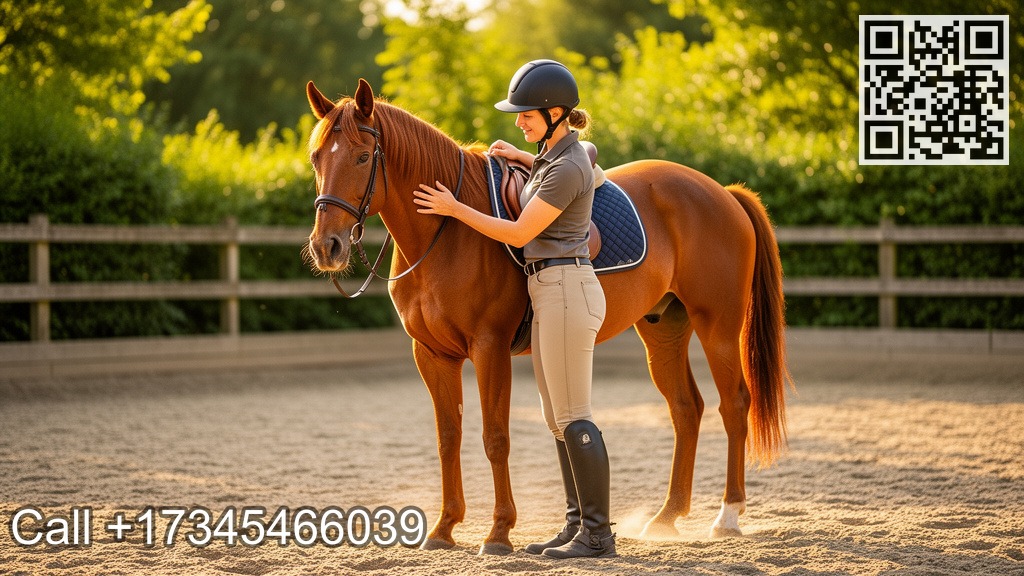
Some people get here with a history of trauma, also if that is not the emphasis of coaching. Moral coaches find out to acknowledge indicators of bewilder and titrate the work. If a person's stare tightens and their shoulders raise, we decrease. If they dissociate, we orient gently and rest outside the arena for a while. There is dignity in quiting. It models better self-care than white knuckling through.
What modifications individuals in fact report
The outcomes I hear frequently are basic. Better boundaries at work. A clearer no that still values connection. Much less second presuming. Simpler shifts from high equipment to remainder. Moms and dads tell me that going to bed softens. Managers claim conferences relocate much faster with less rubbing. Teenagers report feeling much less rushed. Are there research studies. Yes, there are growing bodies of research on equine-assisted solutions recommending improvements in self guideline, social interaction, and anxiety reduction, however results differ by populace, program top quality, and exactly how outcomes are gauged. I anchor my confidence in what I can witness. An equine picking to get in touch with a calmer person is not placebo.
When somebody finds out to really feel the slope of their very own shoulders, or hears their voice land without supporting, or watches an equine adhere to a clear invitation, that is information you can use on Monday early morning. The sector compresses the responses loophole. You transform one variable in your position or breath and watch a 1,200 extra pound biofeedback partner provide outcomes within seconds.
Mounted work versus foundation, and how to choose
Groundwork is the default for equine-facilitated mentoring due to the fact that it keeps the discovering concentrated on leadership, communication, and regulation without the added skill demands of riding. Placed job has worth, particularly in therapeutic horsemanship or for clients servicing equilibrium, core stamina, and rhythm. The choice relies on goals, comfort, and safety.
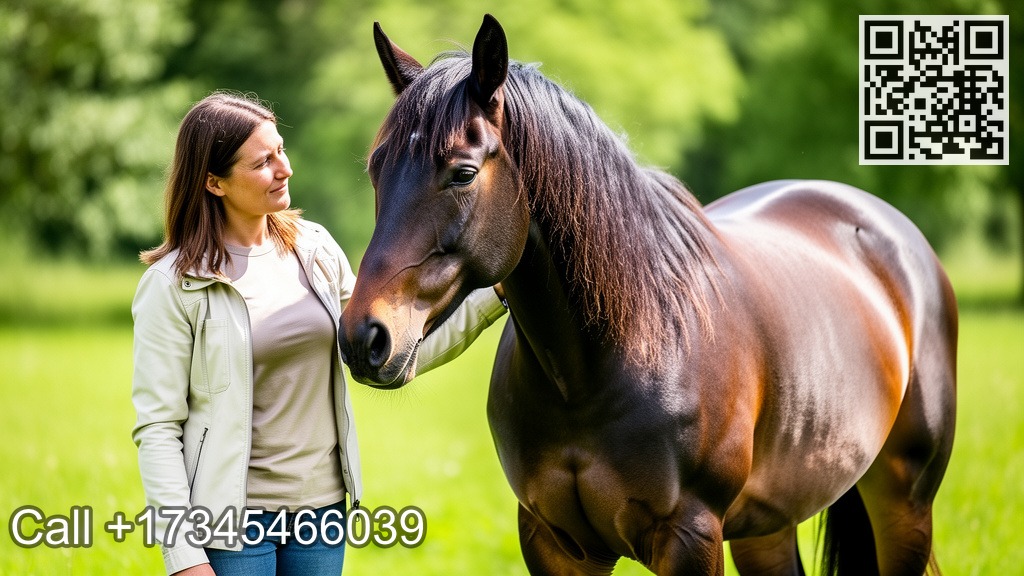
If someone is developing self-confidence around assertiveness, getting on the ground where they can relocate easily typically serves much better. If a client is working on bilateral control or posture, placed workouts at the stroll can help. We do not need speed. A peaceful, regular stride on a well experienced equine produces a balanced input that many nervous systems locate arranging. Procedure shift between ground and placed job across weeks when that mix supports the goal, constantly within range and with suitable supervision.
Weather, facilities, and the real world variables
Horses live outside the conference room schedule. Climate issues. Heat, chilly, wind, and mud all alter just how steeds and people feel. I keep three variations of every strategy. Sector completely sunlight. Field under cover with rain on the roofing system. Barn aisle if lightning is near. Versatility maintains sessions safe and purposeful. If an electrical storm limits motion, we focus on mini abilities like breath pacing and spatial limits, after that save the obstacle course for a clear day.
Facilities run the gamut. Some programs operate out of polished facilities with interior arenas, heated checking out rooms, and accessibility lifts. Others profit a simple paddock and a tack shed. Size and radiate do not assure quality. What issues is clear ground, tidy water, safe secure fencing, and steeds who are well taken care of. Ask the amount of sessions an equine usually works in a day. Ask what a rest day looks like. Ask just how they present new equines to the work.
A short list for customers preparing for their very first session
- Wear shut toed shoes with a level sole and light walk. Running footwear are fine for foundation, paddock boots are better. Dress in layers you can move in, and stay clear of lengthy scarves or loosened belts that can snag. Eat something light an hour prior to. Low blood sugar makes people shaky and irritable. Bring inquiries, not assumptions. The equine will have point of views concerning your plan. Share appropriate medical or sensory information ahead of time so we can establish the pace.
A basic ground exercise you can attempt with a coach
- Stand twelve feet from the horse at liberty with your toes pointed toward the shoulder, not the face, and soften your eyes. Exhale slowly, after that take one neutral step forward, quiting before you feel a pull in your chest or a press in your feet. Wait. Expect a flick of the ear, a head turn, or an action that shows passion. Do not look. Maintain your jaw loose. If the equine shows rate of interest, take another single step and time out. If the equine averts or relocates off, go back and reset. Notice what adjustments when you align your breath with your feet. Let your body level first, after that add intention.
Tiny improvements matter below. A shift of two inches, a shoulder rolling back right into the outlet, a breath that ends up completely out. A lot of steeds check out those signals and respond.
Working with kids and families
Parents usually ask how to support a child's progression in between sessions. I like to provide easy rituals they can utilize in the house. One household embraced a 3 breath policy before homework. Hands on the table, feet on the flooring, eyes on an area 3 feet ahead. When possible, we welcome caretakers into the field so the kid experiences a shared rhythm. With teens, privacy and freedom develop buy in. They design the barrier path and choose whether to invite a horse to follow or merely walk along with. Selection, within kind structure, is what builds confidence.
Kids with sensory sensitivities may like to begin outside the fencing. We make use of a stopwatch to set brief monitoring windows, like two mins of horse viewing, after that a break to jump on a therapy round. Affection for horses builds at its own speed. You do not quicken trust by including pressure. You speed it by making safety real.
How programs manage price and access
Sessions vary extensively by area, centers, and group qualifications. Coaching sessions with horses typically range from the price of a conventional executive coaching hour as much as a costs that mirrors the overhead of steed care. Group programs can make access less complicated. Some barns provide scholarships funded by local donors. Public agencies and nonprofits occasionally cover sections of equine-assisted solutions for particular populaces. It is worth asking. The most effective programs are clear about price and scheduling. They will certainly likewise inform you if your goals would certainly be much better served by a different provider.
Finding a good fit
Credentials are not the whole story, however they matter. Ask about the instructor's training in equine-facilitated coaching, their approach to ethics and range, and exactly how they were mentored with horses as opposed to simply people. Observe a session ideally. Enjoy the steed. Does the pet have an option to engage. Does the instructor regard no as long as yes. Notice your very own body around them. Do you feel hurried or invited. Your nervous system has point of views you need to trust.
Programs with clear lanes have a tendency to construct strong partnerships. A barn that offers equine-assisted coaching might partner with a nearby clinician for treatment referrals and an occupational therapist for sensory combination work. That sort of network assists individuals find the right support, whether they require a management intensive, anxiety assistance with horses, or a bridge back to activity and law after a difficult season.
Letting trust fund take root
Trust is not a speech. It is a pattern of little, embodied selections duplicated until they hold. Steeds hold us to that truth. They satisfy us at the edge of our clarity, after that invite us one breath further. In time, the field ends up being a method ground where sincerity and compassion can coexist, where limits feel like alleviation as opposed to a fight, and where an individual can learn to state yes and no with the very same consistent voice.
I have actually enjoyed a careful young boy reach a quiet hand to a mare's shoulder, then laugh when she sighed and leaned a fraction of her weight into him. I have actually enjoyed execs quit taking care of optics and begin handling presence. I have watched parents exhale as their child's jaw unclenched. The changes are not loud. They end up being routines that show up in doorways and dinner tables and budget plan meetings.
If you are curious, begin small. Action to the fence. Allow your eyes soften. Watch exactly how a horse checks, rests, and restructures. Notice your own breath answer back. That is the initial string of connection, and it suffices. From there, great mentoring, thoughtful equine-assisted activities, and attentive look after both people and equines can weave the rest.